(217) 837-4275


 By Admin

 Toll Free Number

Subscribe to recieve High-potential marketplace analytics, deep-dive e-commerce insights, and expert scaling strategies.

Stop fighting the algorithm. The Axios Digital handles strategy, listing optimization, and advertising end-to-end to drive predictable growth for established brands.





 13-Jun-2026
 By Admin
Starting an Amazon private label business is one of the most profitable ways to build a long-term eCommerce brand. If you want to create your own branded products, control pricing, and scale globally then you can go for Amazon Private Label. However, many beginners get confused during the launch phase. They struggle with product selection, sourcing, and marketing. This confusion often leads to failure despite strong potential. Even good ideas can collapse without a proper Amazon private label strategy. This guide explains how to avoid common mistakes and successfully launch your Amazon private label brand step by step.
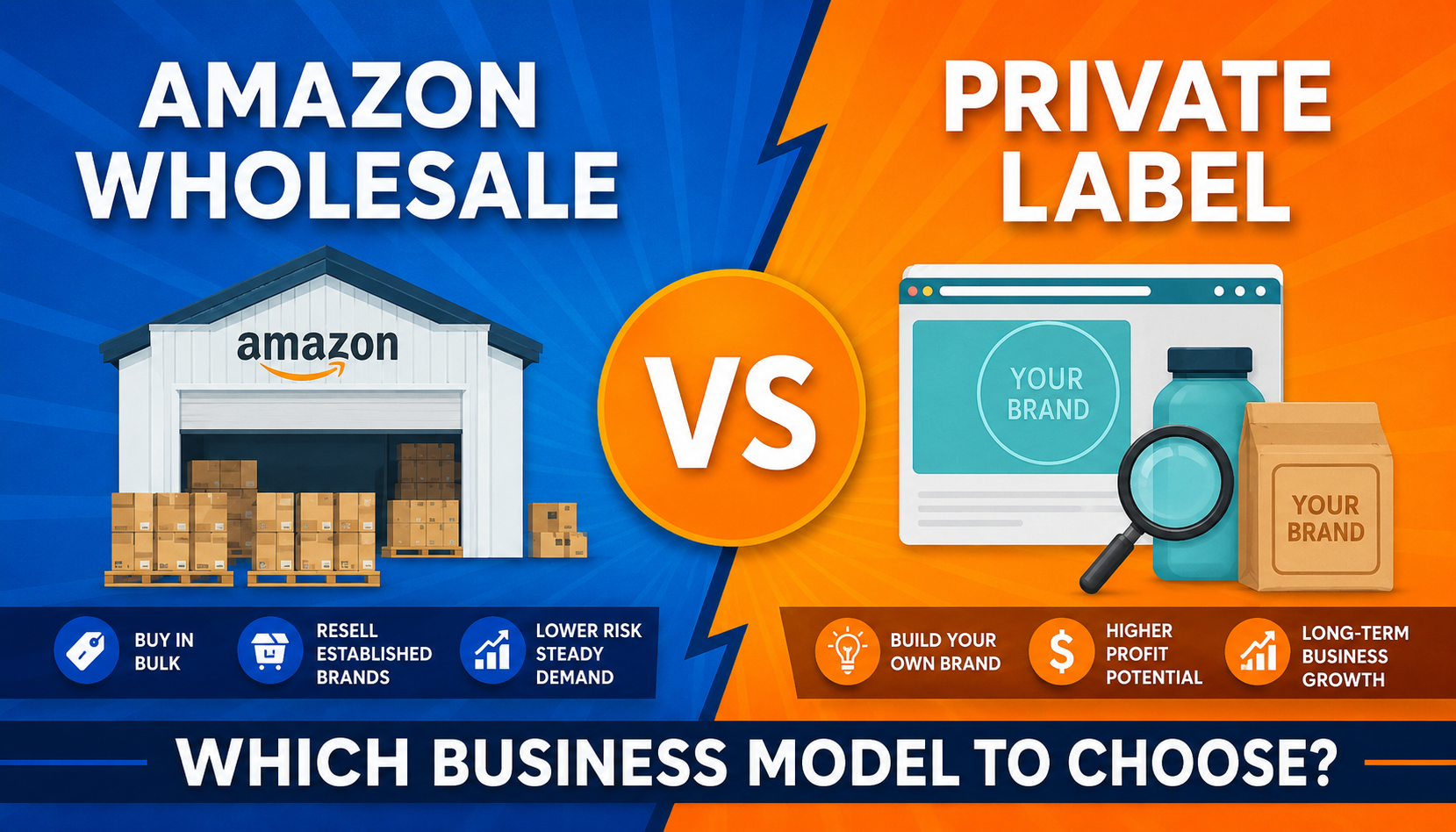
An Amazon private label brand is a business model where you sell products manufactured by a third party but branded under your own name. Instead of reselling existing brands, you create your own identity in the market. This gives you control over packaging, pricing, and marketing.
Many sellers fail because they treat it like simple reselling. In reality, Amazon private label business success depends on branding, research, and differentiation. When done correctly, it helps solve competition issues by allowing you to build a unique product line that customers recognize and trust.
Following are the 10 simple steps to start your own Amazon Private Label Brand without any failure:
The biggest failure beginners face is choosing overly competitive or low-demand products. They often rely on guesswork instead of data. The solution is proper amazon private label product research using tools like keyword trackers and market analysis. Look for products with steady demand, low saturation, and strong profit margins. Avoid seasonal or trend-only items unless you have a clear amazon private label strategy. A good niche is the foundation of your entire amazon private label business, so research carefully before investing.
Many sellers skip validation and assume a product will sell. This leads to unsold inventory. Instead, analyze search volume, reviews, and competitor pricing. Validation ensures your idea has real demand before launch. Check customer pain points in reviews to improve your product concept. This step reduces risk and improves your amazon private label startup success rate significantly by ensuring you only invest in proven market opportunities.
A common failure is choosing cheap but unreliable suppliers that deliver poor quality. This damages your brand reputation early. Instead, focus on verified manufacturers through platforms like Alibaba or direct sourcing. Always request samples before bulk orders. Strong supplier relationships are essential for consistent quality. This step ensures your amazon private label brand maintains trust, which is critical for long-term success and repeat customers.
Many beginners ignore branding and sell generic-looking products. This makes it hard to stand out. A strong brand name, logo, and packaging design solve this issue. Your branding should communicate value and trust. Think beyond just selling—build recognition. A well-designed amazon private label brand helps you compete even in crowded markets and improves customer loyalty over time.
Poor listings are one of the top reasons for low sales. Sellers often use weak images and unclear descriptions. Instead, optimize your listing with keyword-rich titles, bullet points, and high-resolution images. Use your amazon private label strategy to highlight benefits, not just features. Good listings improve visibility and conversion rates, turning traffic into actual sales effectively.
Ignoring SEO is a major mistake that reduces product visibility. Without proper keywords, your product won’t appear in search results. Use relevant keywords like how to launch an amazon private label brand and amazon private label product research naturally in your listing. Optimize backend search terms and product descriptions. Strong SEO ensures your amazon private label business gets consistent organic traffic without heavy advertising costs.
Many sellers launch without promotion and expect organic sales. This leads to slow growth. Instead, use PPC campaigns, influencer marketing, and deals to boost visibility. A structured launch creates momentum and builds reviews early. Marketing is essential for scaling your amazon private label brand and competing with established sellers in your niche.
Incorrect pricing is a common failure point. Some sellers price too high and lose customers, while others price too low and lose profit. Calculate all amazon private label startup costs including manufacturing, shipping, and Amazon fees. Set competitive yet profitable pricing. Regularly review margins to ensure long-term sustainability of your amazon private label business.
New sellers often struggle with zero reviews, which reduces conversion rates. Avoid unethical shortcuts and focus on organic review strategies like follow-up emails and great customer service. Positive reviews increase trust and ranking. A strong review base is essential for scaling your amazon private label brand and improving credibility in competitive markets.
Many sellers stop after one product and limit growth. Others expand too fast without data and fail. The solution is controlled scaling. Analyze performance, reinvest profits, and expand into related products. A successful amazon private label strategy includes gradual expansion, allowing your brand to grow sustainably and dominate your niche over time.
Starting an Amazon private label business requires planning for multiple costs. These include product sourcing, branding, packaging, shipping, Amazon fees, and marketing. On average, startup costs can range from low to moderate depending on product type and order quantity. Beginners often underestimate advertising costs, which leads to cash flow issues. A proper budget ensures smoother operations. Always include extra funds for PPC campaigns and inventory restocking. Understanding amazon private label startup costs helps avoid financial pressure and supports long-term growth.
Axios Digital is an ecommerce-focused digital platform designed to help entrepreneurs start and scale their online businesses efficiently. It provides guidance, resources, and structured solutions for building a successful amazon private label business. Many beginners struggle with product research, listing optimization, and launch strategy, but Axios Digital simplifies this process. With expert-driven insights and digital tools, users can implement a strong amazon private label strategy without confusion. It acts as a complete support system for anyone learning how to start an amazon private label business and grow it effectively.
Building an Amazon private label brand is a powerful opportunity, but success depends on execution. Many sellers fail due to poor planning, weak amazon private label product research, and lack of strategy. By following a structured approach, from niche selection to scaling, you can build a sustainable Amazon private label business. Focus on branding, optimization, and customer trust at every stage. With the right amazon private label strategy and consistent effort, launching and growing your brand becomes far more achievable in the competitive Amazon marketplace.



Re-engineer multimedia based internal or "organic" sources for progressive vortals. Assertively leverage existing economically sound total linkage whereas global best practices.






Subscribe to recieve High-potential marketplace analytics, deep-dive e-commerce insights, and expert scaling strategies.

(217) 837-4275

[email protected]

2501 Chatham Rd Ste 6540 Springfield, IL 62704



The Axios Digital is a subsidiary of 1st Page Rank, delivering world-class digital solutions backed by years of industry experience.