(217) 837-4275

 By Admin

 Toll Free Number

Subscribe to recieve High-potential marketplace analytics, deep-dive e-commerce insights, and expert scaling strategies.

Stop fighting the algorithm. The Axios Digital handles strategy, listing optimization, and advertising end-to-end to drive predictable growth for established brands.





 14-Jun-2026
 By Admin
Starting a Shopify store can be an exciting opportunity in 2026. The platform makes launching an online business easy and hassle-free. Most of the new entrepreneurs see the success stories on TikTok, YouTube, and Instagram and expect to get fast results. But the reality is quite different. E-commerce is competitive, customer expectations are high, and profitable growth of the business takes time. As per recent industry data, only a small percentage of Shopify stores achieve long-term profitability, while others struggle to gain consistent traction.
Industry studies show that only 5% to 10% of Shopify stores make a profit over the long term, while almost 70% to 90% of e-commerce startups fail or shut down within their first 120 days. This high failure rate is usually caused by unprofitable business models, low customer interest, and dependence on costly paid ads. Studies also show that many online stores fail in their first year because of bad marketing, low customer interest, and few sales.
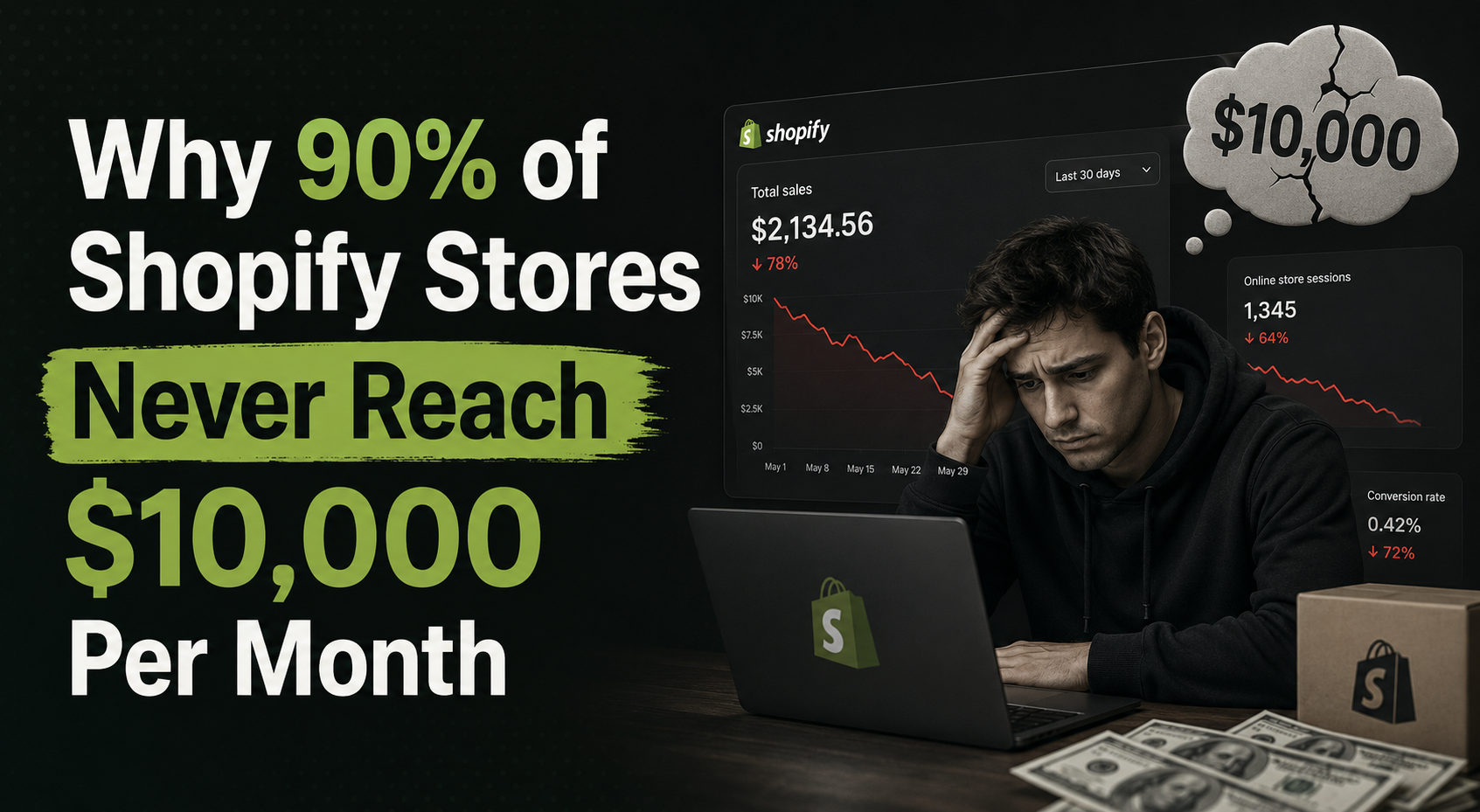
If you have been wondering why Shopify stores fail before making $10,000 a month, you are not alone. That's usually when a store begins to see real growth. Yet most store owners never reach it because they focus on visitors instead of customers, products instead of what the market wants, or ads instead of making a profit.
In this article, we will break down the biggest growth barriers and show some effective ways to improve Shopify store growth, boost Shopify sales growth, and build a profitable e-commerce business. Whether you want to learn how to reach $10k/month on Shopify, improve how well your Shopify store turns visitors into buyers, or find ways to increase sales on Shopify, these Shopify business tips can help you move in the right direction.
Reaching $10,000 in monthly revenue is more than just hitting a milestone. For many Shopify stores, it’s the point where sales start covering product costs, marketing, software, and other business expenses. It also shows that customers are buying your products on a regular basis. That kind of consistent demand is an important sign that your business has real potential to grow.
For future scaling, this milestone also creates a solid foundation. When a store starts making steady and predictable revenue, things get easier. Owners can spend more on advertising. They can also improve inventory management and customer support. They can work on increasing conversions, too. With regular sales coming in, growth decisions feel less risky and clearer.
Many beginners enter e-commerce believing Shopify will generate passive income almost automatically. Social media success stories often highlight impressive revenue screenshots without showing the months or years of testing behind them. This creates unrealistic expectations for new store owners.
Another common mistake is underestimating the competition. The reality is that thousands of stores sell similar products every day. So, simply launching a store isn't enough. To stand out, you need a clear strategy, strong branding, and ongoing improvements. Otherwise, it's easy to get lost in the crowd. The good news? Most successful stores don't grow because they got lucky. They grow because they consistently make smart decisions, test what works, and keep improving over time.
Here are the 6 reasons why Shopify stores fail:
Many Shopify stores fail because they sell products without first confirming customer demand. Chasing trends may bring short-term sales, but trends fade quickly. Instead, successful brands study their audience, understand customer problems, and choose products that solve real needs.
Many beginners explore fast-entry models like the Shopify dropshipping business model, but still fail when they don’t validate real customer demand first. Poor product-market fit often shows up through high bounce rates, low sales, weak reviews, and few repeat customers. These signs should never be ignored. To reduce risk, successful stores validate demand before scaling. They research keywords, analyze competitors, and test products with small ad budgets. Using data instead of guesswork builds a stronger foundation for long-term e-commerce growth and profitability.
Many Shopify owners focus on getting more traffic. They run ads, post on social media, and bring visitors to their stores. However, traffic alone does not generate sales. If visitors do not buy, marketing costs add up quickly. The real difference often comes from conversion optimization.
Common issues like slow pages, weak product descriptions, confusing checkout flows, and poor mobile experiences can drive customers away. Even small improvements can increase sales. Successful Shopify stores make buying easy. They use clear calls to action, strong product copy, trust signals, and simple checkout processes. As a result, more visitors become paying customers.
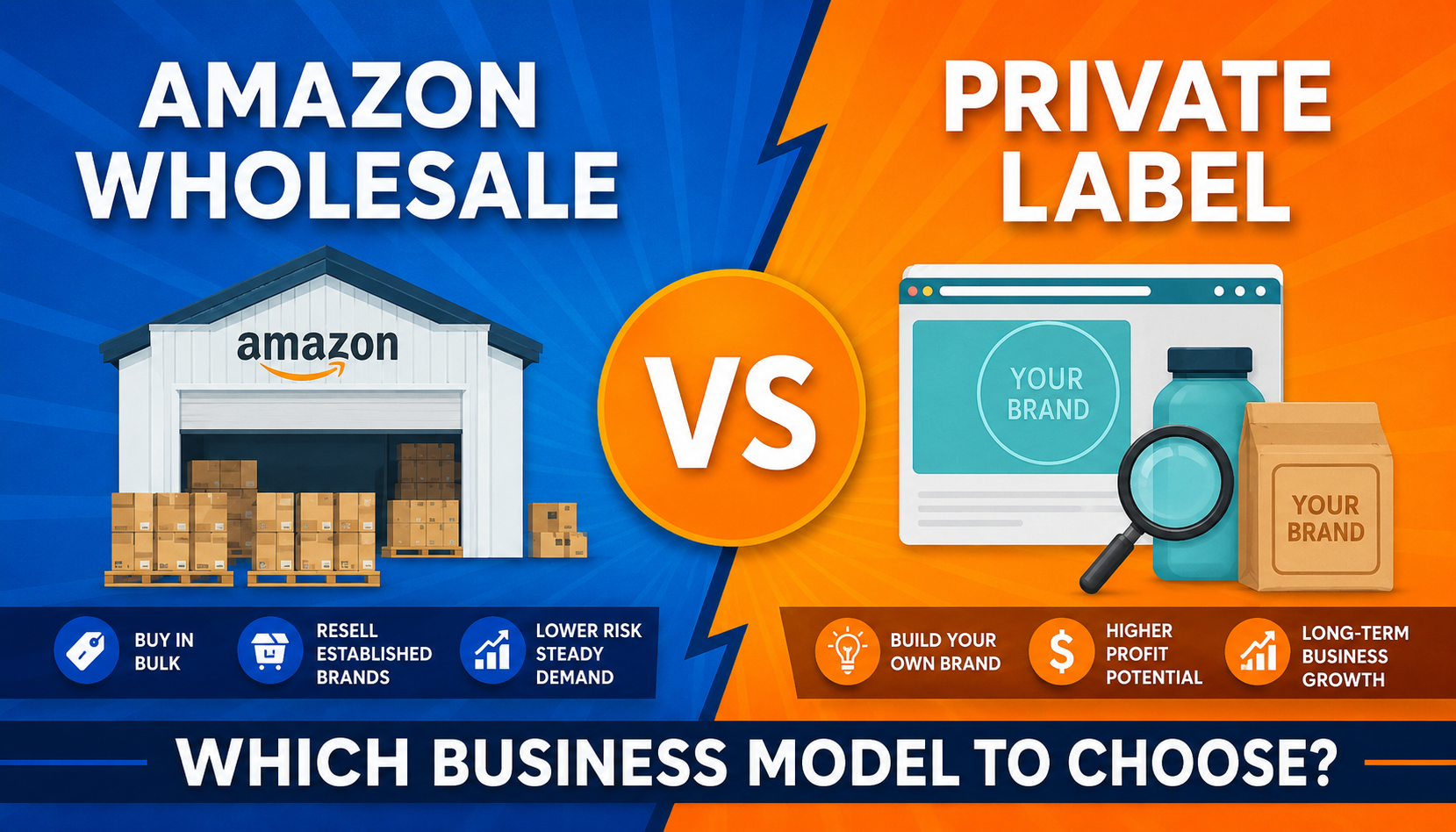
Weak brand positioning is a major reason Shopify stores fail. Most stores look alike. Same templates, stock images, and generic messaging. Because of this, customers don’t see a clear reason to choose one over another. When stores compete only on price, profits drop fast. It attracts deal seekers, not loyal buyers. Over time, this turns into a race to the bottom. Strong brands go further by building identity through strategies like Shopify’s private-label business model, which helps them create unique products instead of selling the same items as everyone else.
Strong brands do the opposite. They stand out with clear value and a strong message. They connect emotionally with customers and reflect their identity or goals. Good branding builds trust. Clear design, consistency, and simple storytelling make stores memorable. Instead of listing features, winning brands focus on real benefits and outcomes that matter to the customer.
Many Shopify stores rely on one traffic source, usually paid ads. That feels fast, risky. Ad costs rise, and algorithms change without warning. So profits can drop quickly. When a store depends on one channel, growth is fragile. Diversification fixes the problem. Stores grow stronger when they use multiple channels.
SEO brings long-term organic traffic. Content marketing builds trust and authority. Email marketing improves repeat sales. Social media and influencers increase reach. Together, these channels balance growth. Many founders ignore customer acquisition costs. High ad spend can hurt profit. Smart stores track CAC lifetime value. This keeps marketing efficient and scalable.
Customer retention is often ignored in e-commerce, but it drives real profit. Getting new customers costs more than keeping existing ones. Repeat buyers already trust the brand, so they convert faster and spend more. As a result, stores with strong retention see steadier revenue and higher order values.
So what works? First, communication. Email flows help welcome customers and guide them. Then loyalty programs reward repeat purchases. After that, follow-ups and personalized offers keep people engaged. Finally, track customer lifetime value. Customer Lifetime Value (CLV) shows total revenue per customer. It helps you spend smarter on ads and grow profitably. It compounds growth.
Many Shopify store owners make decisions without using data. Instead, they rely on assumptions and guesswork. Key metrics like conversion rate, average order value, customer lifetime value, and cart abandonment are often ignored. This makes it hard to spot growth opportunities or fix weak areas.
As a result, money is wasted on strategies that do not work. Successful stores track data regularly and study customer behavior closely. They find bottlenecks, spot trends, and adjust based on real insights. A/B testing helps improve headlines, pricing, product pages, and checkout flow. Testing and analysis lead to steady long-term sales growth. Overall success.
Focus on systems, not shortcuts: They don’t chase quick wins. Instead, they build repeatable processes that grow over time.
Constantly improve their store: Product pages, ads, and marketing campaigns are always tested and optimized using real customer data.
Rely on long-term growth channels: SEO, email marketing, and content to build steady traffic and reduce dependence on paid ads.
Prioritize customer experience: Fast support, clear product presentation, and smooth checkout help turn visitors into buyers.
Build trust and community: Loyal customers come back, share the brand, and create word-of-mouth growth.
Most Shopify stores don’t hit $10,000 per month because of six main problems. These include poor product-market fit, weak conversions, unclear branding, bad acquisition, low retention, and weak data use. But each Shopify store failure reason can be fixed with the right approach. Real e-commerce growth comes from understanding customers and improving the buying experience. Branding and data-driven decisions matter just as much. Skip quick wins and focus on steady improvements that compound over time.
Review your store, find the biggest Shopify marketing mistakes , and fix them step-by-step. Small, consistent changes lead to long-term profitable and sustainable Shopify growth over time, naturally always.
Is Shopify still profitable in 2026?
Yes, Shopify is still profitable in 2026. But success depends on product, marketing, and execution.
How to fix low Shopify sales?
Improve your product page, ads, and targeting. Also, test offers and fix weak branding.
How long does it take to make Shopify profitable?
It can take 3 to 6 months or more. It depends on effort, budget, and strategy.



Re-engineer multimedia based internal or "organic" sources for progressive vortals. Assertively leverage existing economically sound total linkage whereas global best practices.






Subscribe to recieve High-potential marketplace analytics, deep-dive e-commerce insights, and expert scaling strategies.

(217) 837-4275

[email protected]

2501 Chatham Rd Ste 6540 Springfield, IL 62704



The Axios Digital is a subsidiary of 1st Page Rank, delivering world-class digital solutions backed by years of industry experience.